
A Story of a Qom Scientist’s Journey to Create Indigenous Artificial Intelligence
Exploring the achievements of the University of Qom’s Smart Software Lab, from the Judicial AI Assistant to the Iranian Rhino Language Model.
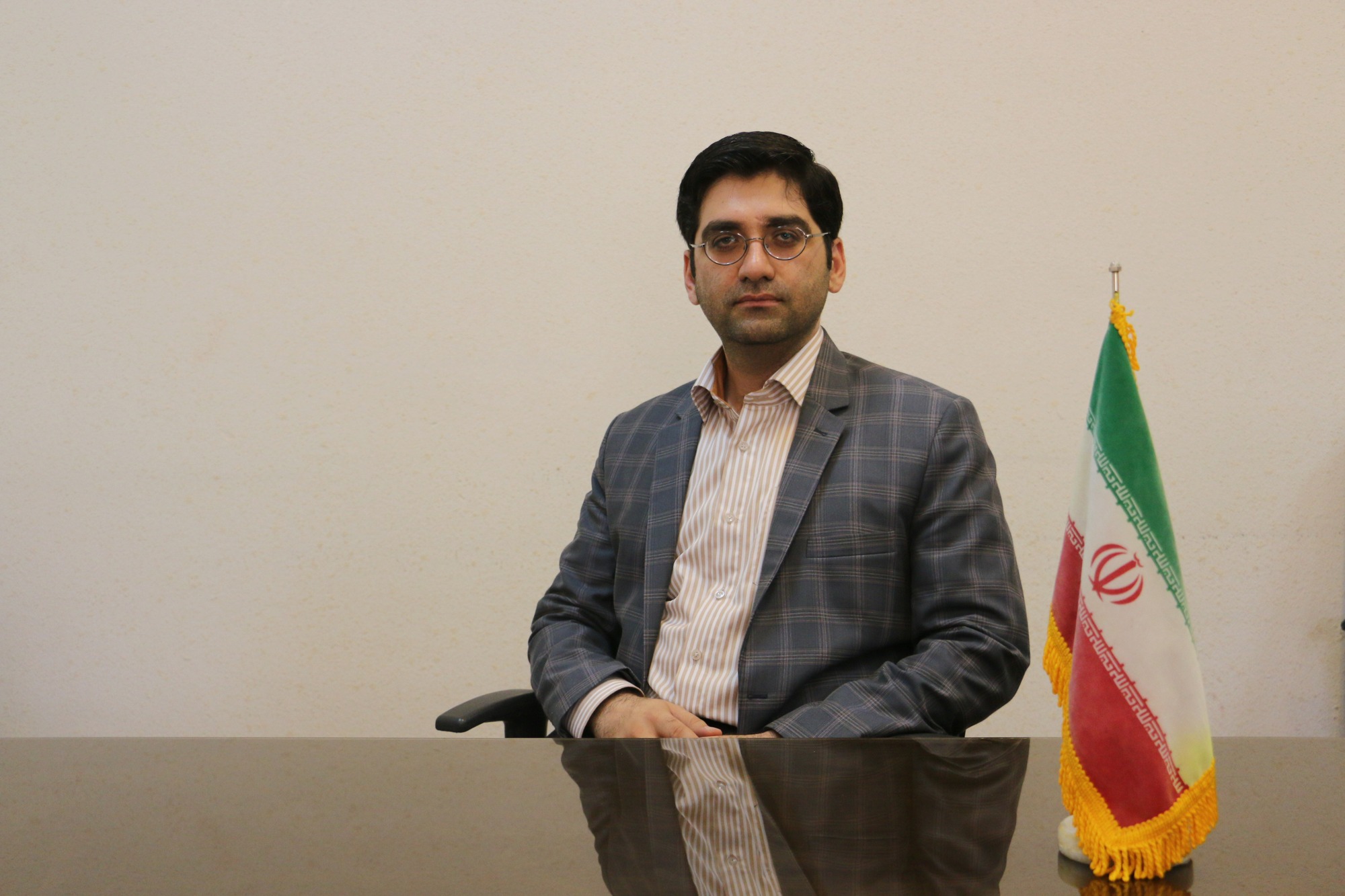
Introduction and Academic Background
Amir Jalali Bidgoli, an Associate Professor at the University of Qom, has made significant strides in creating and applying indigenous AI by establishing and leading the Smart Software Laboratory. He holds an M.Sc. from Iran University of Science and Technology and a Ph.D. from the University of Isfahan.
His expertise lies in Artificial Intelligence and Cybersecurity. He has published over 50 scientific articles in reputable international journals, with each work garnering over a thousand citations.
Smart Software Laboratory
Since the beginning of his tenure as a faculty member, Dr. Jalali has been passionate about moving beyond theoretical research toward practical implementation. Consequently, he founded the “University of Qom Smart Software Laboratory,” focusing on Large Language Models (LLMs) and the development of intelligent assistants.
The lab was founded with two goals: producing administrative/industrial software and researching the needs of the software engineering industry in Qom. Its mission is to apply knowledge to meet societal needs in IT.
The lab delivers secure and efficient software solutions to public and private organizations, with a special emphasis on automation and intelligence.
Key and National Projects
The research team under Dr. Jalali’s supervision has developed numerous projects directly aligned with societal and organizational needs:
Judicial AI Assistant
The team’s most significant project, supporting the Judiciary’s smart transformation in partnership with the Center for Statistics and Information Technology. It helps judges make more accurate decisions and reduces case processing time.
Faradeed Product
An intelligent assistant based on LLMs that provides organizational managers with rapid, precise access to statistical data and organizational information.
Rhino Language Model
Developing the Iranian “Rhino” language model and smart decision support systems in collaboration with knowledge-based companies to cover cultural needs.
Interdisciplinary Collaborations
All lab projects are designed with an operational perspective, where students acquire market-specialized skills, ensuring they enter the industry as experts upon graduation.
Infrastructure Challenges in AI Development
As a national reference point for AI, the University of Qom now holds the authority to assess the technical competence of AI-based products. However, the head of the lab emphasizes that this path faces serious hurdles.
Dr. Jalali divides AI challenges into three factors: specialized manpower, data, and hardware. While expertise and data are progressing, hardware access is a major obstacle. Unlike foreign researchers with access to large computing clusters, acquiring even basic powerful hardware for domestic researchers is extremely difficult.